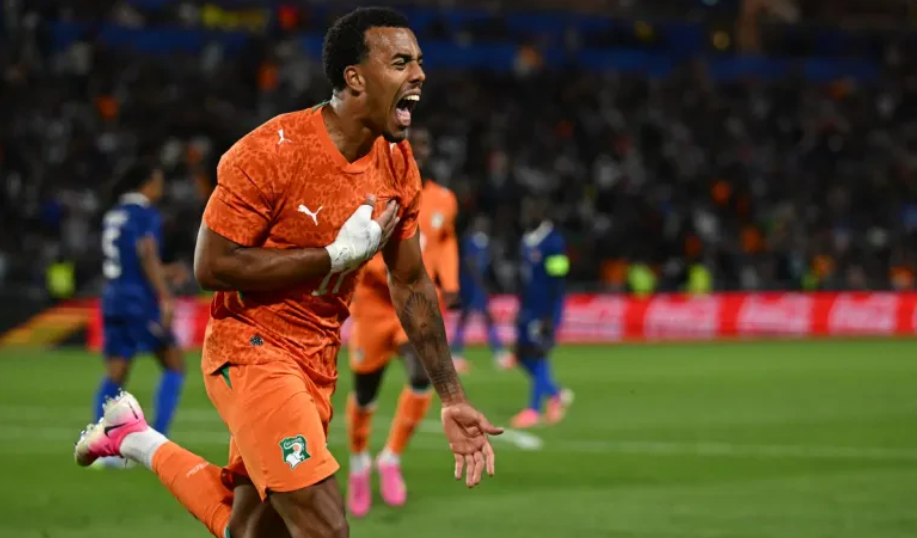
Football fans expected a competitive friendly when Ivory Coast traveled to Nantes to face France, but few predicted the dramatic outcome that unfolded. Ivory Coast produced a spirited comeback to defeat France 2-1 in a World Cup warm-up match, recording their first-ever victory against the French national team. The result immediately became one of the most talked-about football stories of the week because it challenged the perception that France would comfortably dominate the contest. France entered the match on a lengthy unbeaten run and with a squad packed with world-class talent. Yet football has always had a way of reminding everyone that reputation alone does not win matches. Ivory Coast demonstrated resilience, discipline, and belief, turning a difficult first half into a memorable victory. The win serves as a powerful statement ahead of the 2026 FIFA World Cup and highlights the growing strength of the African champions.
Match Overview
The friendly match took place in Nantes as both nations continued preparations for the upcoming World Cup. France started brightly and appeared to be in complete control during the opening stages. Their movement, technical quality, and possession suggested another routine victory was on the horizon. However, Ivory Coast remained patient and organized despite spending long periods without the ball. That discipline eventually paid off when momentum shifted after halftime. According to match reports, France led through a spectacular strike from Rayan Cherki before Ivory Coast responded with goals from Guela Doué and Amad Diallo. The turnaround stunned the home crowd and handed France a rare defeat. For Ivory Coast, the victory represented much more than a positive friendly result—it was proof that they can compete with and defeat one of the world’s strongest teams.
First Half Analysis
France’s opening performance showed exactly why they are considered one of the favorites for major international tournaments. The French side dominated possession, controlled midfield spaces, and created several dangerous attacking sequences. Their technical superiority was visible as they repeatedly moved the ball through the lines with confidence. Kylian Mbappé and several attacking teammates caused constant problems for the Ivorian defense, forcing them to remain compact and focused. While Ivory Coast struggled to establish rhythm, they avoided panic and continued to defend collectively. Their ability to remain organized during difficult moments became crucial later in the match. Instead of chasing the game recklessly, they waited for opportunities to emerge.
The breakthrough eventually arrived through Rayan Cherki, whose goal was one of the highlights of the match. The talented French attacker produced a moment of individual brilliance that appeared to justify France’s dominance. The strike energized the home supporters and seemed likely to open the door for additional goals. At halftime, many observers expected France to increase their advantage rather than surrender it. Yet football often changes direction in an instant, and the second half would tell a very different story.
Ivory Coast’s Second-Half Revival
If the first half belonged to France, the second half belonged entirely to Ivory Coast. Emerging from the break with renewed energy, the Elephants increased their intensity and began exploiting spaces left by the French defense. Their pressing became more aggressive, their transitions quicker, and their confidence noticeably stronger. Suddenly, the game looked balanced rather than one-sided. Every successful attack increased their belief that an equalizer was possible.
The key figure in the comeback was Guela Doué. His equalizing goal changed the atmosphere instantly and gave Ivory Coast momentum. Beyond scoring, he consistently influenced play with intelligent positioning and determined defending. The equalizer forced France to react, but instead of regaining control, they appeared unsettled. Ivory Coast sensed vulnerability and pushed forward with greater purpose. Their tactical discipline remained intact while their attacking confidence continued to grow. This combination of structure and ambition allowed them to transform the contest from a defensive battle into an opportunity for victory.
Amad Diallo Delivers the Winner
Every memorable comeback needs a defining moment, and for Ivory Coast that moment arrived through Amad Diallo. The Manchester United forward finished a well-worked attacking move to complete the turnaround and secure a historic victory. The goal reflected everything Ivory Coast had improved after halftime: speed, decisiveness, and belief. As the ball crossed the line, celebrations erupted among the players and coaching staff.
France’s defensive structure, so reliable in the first half, struggled to cope with the pace and directness of Ivory Coast’s attacks. Numerous substitutions also altered the team’s rhythm, making it difficult to maintain control. Ivory Coast exploited those changes effectively and punished defensive mistakes with clinical efficiency. Diallo’s winning goal was not simply a lucky break; it was the reward for sustained pressure and intelligent attacking football. The strike transformed a respectable performance into a landmark result that will be remembered for years by Ivorian supporters.
Key Players of the Match
Several players contributed significantly, but Guela Doué undoubtedly emerged as the standout performer. Scoring the equalizer and providing the assist for the winning goal is an achievement that would make headlines in any international fixture. His influence extended beyond statistics because he inspired confidence throughout the team. Every successful intervention seemed to strengthen Ivory Coast’s belief that they could achieve something special.
Amad Diallo also deserves immense praise. Known for his creativity and attacking intelligence, he demonstrated composure under pressure when the decisive moment arrived. Goals often define careers and reputations, and this strike will enhance his status within the national team setup. On the French side, Rayan Cherki’s performance offered one of the few major positives. His goal showcased extraordinary technical ability and reminded observers why he is considered one of the country’s most exciting talents. Although the result disappointed France, Cherki strengthened his case for a prominent role moving forward.
Tactical Breakdown
One of the most interesting aspects of the match was the contrast between the two tactical approaches. France utilized an experimental lineup and introduced numerous substitutions throughout the game. Such decisions are common in friendly matches because coaches prioritize squad evaluation over immediate results. However, those changes disrupted rhythm and allowed Ivory Coast to gain momentum. What appeared logical from a preparation standpoint created vulnerabilities on the pitch.
Ivory Coast, by contrast, maintained tactical consistency. Their defensive shape remained compact, while their attacking transitions became increasingly dangerous as the match progressed. Instead of trying to dominate possession against a technically superior opponent, they focused on efficiency. This strategy resembles a skilled boxer waiting patiently before delivering decisive counterpunches. Once opportunities emerged, they capitalized with precision. The match demonstrated that tactical discipline and collective commitment can neutralize even the most talented opponents.
What This Means for the 2026 World Cup
For Ivory Coast, this victory could be enormously significant psychologically. Winning against France provides tangible evidence that they belong among the world’s top competitors. Confidence is often as important as talent in tournament football, and this result supplies both belief and momentum. Players now know they can overcome elite opposition when executing their game plan effectively. Such experiences can transform expectations within a squad.
France, meanwhile, may benefit from the defeat despite the disappointment. Friendly matches exist partly to expose weaknesses before competitive fixtures begin. Didier Deschamps emphasized that preparation games should offer lessons rather than panic. Losing now may encourage greater focus and sharper performances when the World Cup starts. Elite teams often use setbacks as fuel, and France possesses enough experience and quality to respond strongly. While the result raised questions, it does not diminish their status as one of football’s leading contenders.
Reactions from Coaches and Players
Post-match reactions reflected the different emotions surrounding the result. Ivory Coast celebrated a landmark achievement, recognizing the importance of defeating a nation with France’s pedigree. Players and supporters viewed the victory as validation of the team’s progress under current leadership. The atmosphere around the squad immediately became more optimistic heading into the tournament.
France’s response was measured rather than alarmed. Didier Deschamps described the defeat as a useful reminder that no opponent can be underestimated. Midfielder Aurélien Tchouaméni echoed similar sentiments, emphasizing that preparation remains the primary objective. Such comments reveal the mindset of experienced international teams. Instead of focusing solely on the scoreline, they analyze lessons and areas for improvement. This balanced reaction may prove valuable as France prepares for more important challenges ahead.
Conclusion
Ivory Coast’s 2-1 victory over France was far more than a friendly match result. It was a statement of intent from a team determined to make an impact on the world stage. After falling behind to a brilliant Rayan Cherki goal, the Elephants responded with courage, tactical discipline, and attacking quality. Guela Doué and Amad Diallo became heroes as they engineered a comeback that delivered Ivory Coast’s first-ever victory against France. The result offers momentum and confidence ahead of the World Cup while providing France with valuable lessons before the tournament begins. If this match is any indication, Ivory Coast may become one of the most dangerous teams to watch in the weeks ahead.